

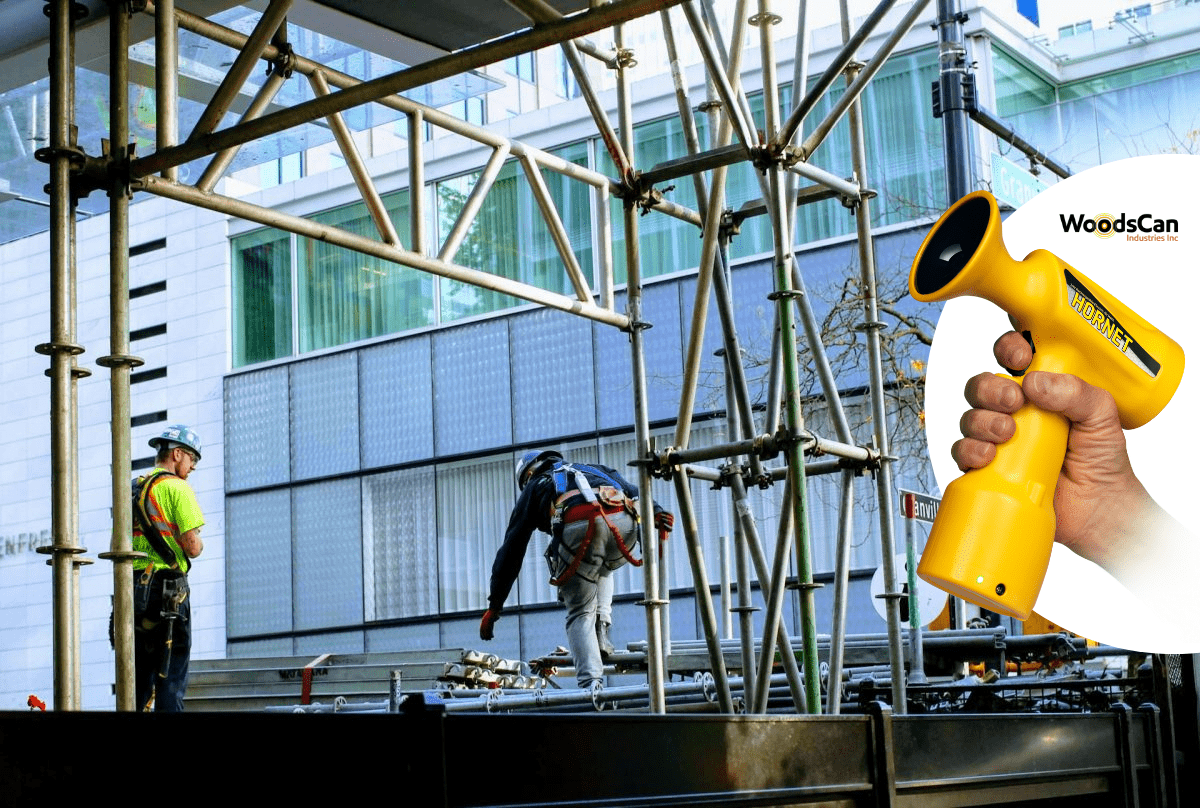
Air horns are used on construction sites primarily in Emergency Stations as a safety tool to communicate and signal various types of alerts such as fire, evacuation, sever weather events, and personal injury. Here are the main ways air horns are utilized:
1. Emergency Alerts
- Evacuation Signals: Air horns are often used to signal the need for immediate evacuation due to hazards like fires, gas leaks, or structural instability. The loud sound can cut through the noise of heavy machinery, ensuring that all workers hear the alert.
- Accident Response: In the event of an accident or injury, an air horn can quickly notify all workers of the situation, prompting an immediate response from emergency personnel.
2. Communication
- Work Coordination: Air horns may be used to signal the start or end of specific operations, such as blasting in mining or demolition activities. A specific sequence of horn blasts can be used to communicate different instructions or statuses.
- Movement of Heavy Equipment: They can also be used to warn workers when large equipment is about to be moved, helping to prevent accidents by alerting everyone in the vicinity.
3. Weather Alerts
- Severe Weather Warnings: On sites where weather conditions can rapidly change, air horns might be used to warn of incoming severe weather, such as thunderstorms, high winds, or lightning, prompting workers to seek shelter.
4. General Site Safety
- Daily Start and End of Shifts: In some sites, air horns might signal the start or end of shifts, ensuring that all workers are aware of the time to begin or stop work.
- Break Times: Air horns can also be used to signal break times, especially on large sites where it might be difficult to communicate with everyone at once.
5. Emergency Drills
- Practice and Preparedness: Air horns are often used during emergency drills to simulate real-life scenarios, helping workers become familiar with the sound and the corresponding actions they need to take.
Overall, air horns are a versatile and crucial part of maintaining safety and effective communication on construction sites. They are often part of a broader safety protocol that includes visual signals, alarms, and other communication devices.
Photo by Meg Jenson, Unsplash