

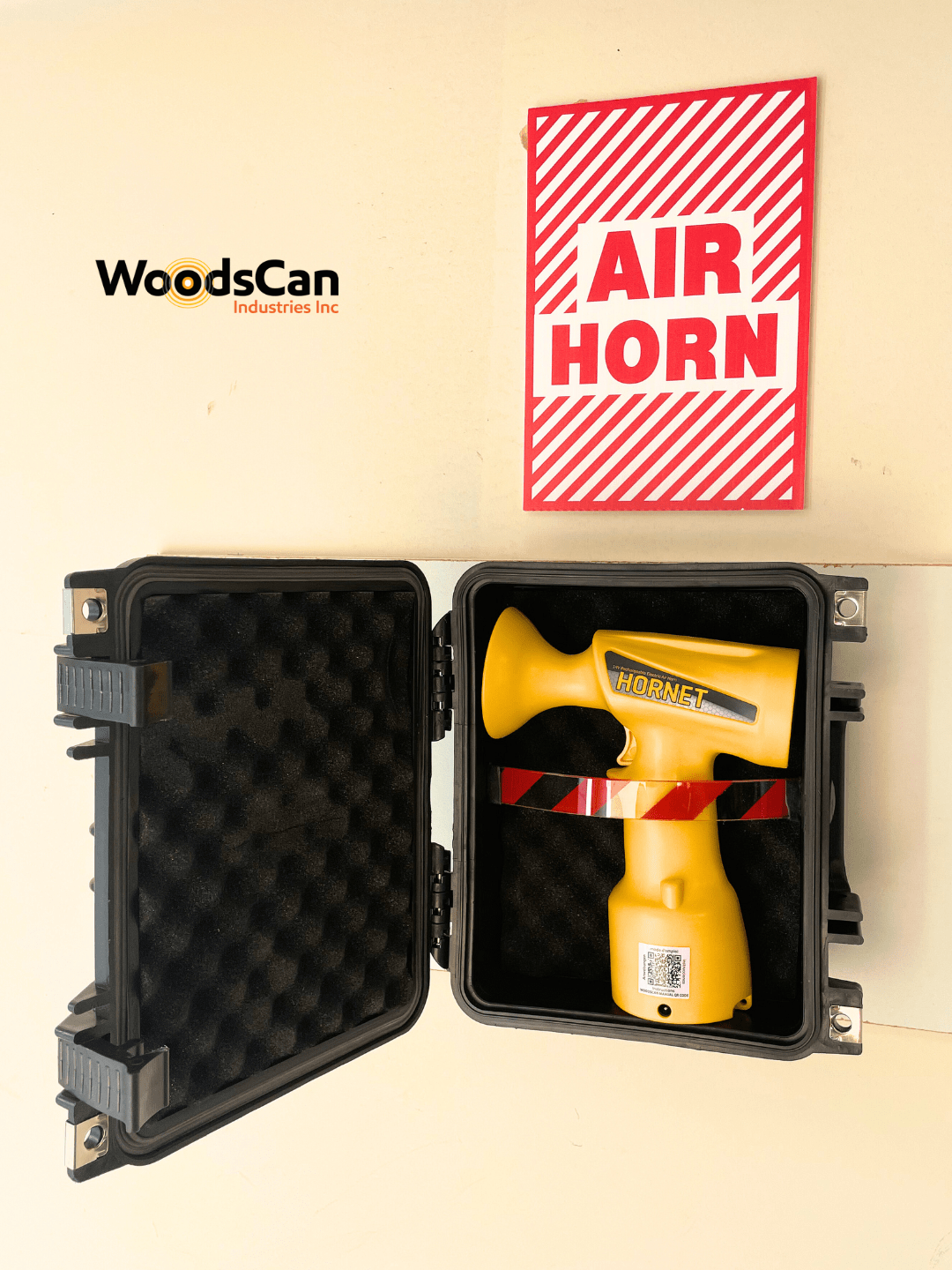
Handheld air horns like the Hornet rechargeable electric air horn are a common and effective tool in construction safety for signaling, alerting, and communicating across noisy job sites. Here are examples of how they’re typically used:
Emergency Alerts
Evacuations: If there is an emergency, such as a fire, hazardous material spill, or structural concern, air horns can signal workers to evacuate the area immediately.
Dangerous Situations: Workers use air horns to alert others of immediate dangers like heavy equipment malfunctions, structural shifts, or any on-site hazards requiring attention.
Traffic Control
Heavy Machinery Movement: Air horns are used to warn workers when large equipment, like cranes or trucks, are moving through or near work zones.
Worker and Vehicle Coordination: Site supervisors or safety officers can use air horns to signal drivers or operators to stop, slow down, or change direction, reducing the risk of accidents.
Communication Across Distances
Non-Verbal Communication: On large or noisy sites, air horns cut through ambient noise, allowing workers to communicate without relying on radios or hand signals.
Different Patterns for Specific Instructions: Some sites have established protocols where different horn blasts signal specific actions, like “three blasts” for a complete stop or “two blasts” for an all-clear.
Routine Safety Drills
Practice Emergency Protocols: Regular safety drills, like fire drills or evacuation practices, often incorporate air horn signals to train workers in identifying and responding to these alerts.
Accident Prevention
Proximity Warnings: Workers can use air horns to warn others if they’re getting too close to hazardous areas or if someone is at risk of a “struck-by” incident from falling objects or moving vehicles.
In all these cases, the loud, distinct sound of an air horn can quickly capture attention, helping maintain a safer environment by reducing response time and improving overall awareness.