emergency aid stations

Not All Air Horns Are Created Equal

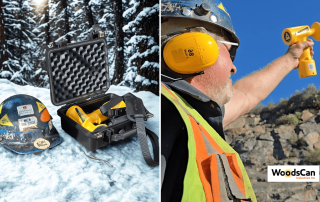
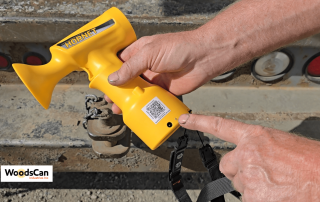
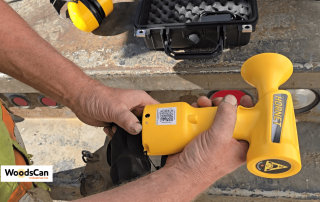
Disposable compressed gas air horns have proven to be unreliable and are extremely bad for the environment. A single 5 oz. can will only last a minute or so at best, it may not work at all in cold weather, and its sound volume diminishes the longer you use it. It also uses an extremely potent greenhouse gas as a propellant versus the WoodsCan Hornet rechargeable electric air horn only uses air, and it will reliably...
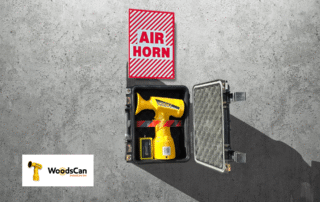

Construction Safety Air Horns: How Are They Used?

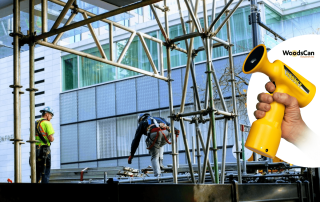
Air horns are commonly used in construction as a form of communication across large and noisy sites, or in factories and warehouses. They are crucial for quickly notifying workers of dangers like fires, accidents, or evacuations, and are also used daily for traffic control and to signal routine safety drills. A battery-powered air horn called the Hornet, made by WoodsCan Industries, is now available that performs reliably in cold weather and doesn’t use compressed gas, making it more consistent and

Are air horns dangerous in hot weather?

Yes, air horns can become dangerous in hot weather, depending on the type of horn and the conditions. Rechargeable air horns, such as the WoodsCan Hornet, are much safer and more reliable than disposable aerosol canister air horns. Here’s what to know: Aerosol Canister Air Horns (most common handheld type): These contain a compressed gas

How are air horns used on construction sites?

Air horns are used on construction sites primarily in Emergency Stations as a safety tool to communicate and signal various types of alerts such as fire, evacuation, sever weather events, and personal injury. Here are the main ways air horns are utilized: 1. Emergency Alerts Evacuation Signals: Air horns are often used to signal the

2025-12-16T15:50:20-08:00Construction Safety|
Go to Top