How long does the WoodsCan Hornet rechargeable air horn hold a charge when in storage?
At room temperature and if unused, the WoodsCan Hornet rechargeable air horn will only lose 10% of its charge per


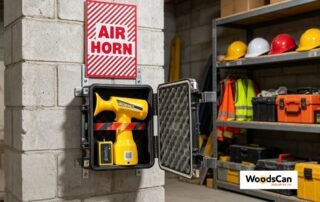
At room temperature and if unused, the WoodsCan Hornet rechargeable air horn will only lose 10% of its charge per
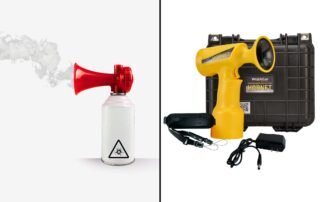
A typical 8 oz disposable air horn will last about 90 seconds at best depending on how long it has been stored and slowly leaking and losing propellant over time, and there is a catch. Using it continuously will cause it to freeze-up, especially in cold weather, within about 10 seconds. When this happens the
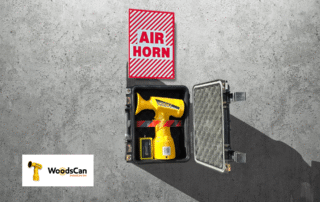
An air horn provides a loud, attention-grabbing signal that can alert rescuers or warn others during power outages, fires, storms, or natural disasters. The sound of an air horn is more typically associated with being alerted to...
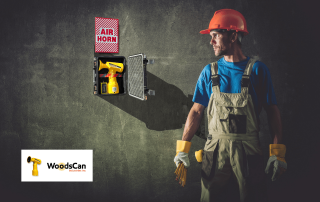
Yes. The Hornet air horn meets typical industrial safety signaling requirements and provides a consistent 121 dB of sound output which is audible across large construction sites.

Air horns are commonly used in construction as a form of communication across large and noisy sites, or in factories and warehouses. They are crucial for quickly notifying workers of dangers like fires, accidents, or evacuations, and are also used daily for traffic control and to signal routine safety drills. A battery-powered air horn called the Hornet, made by WoodsCan Industries, is now available that performs reliably in cold weather and doesn’t use compressed gas, making it more consistent and
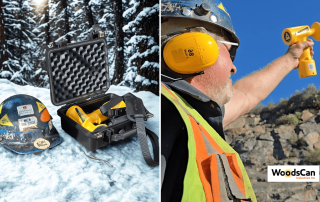
In summary, a rechargeable electric air horn, like the WoodsCan Hornet air horn, performs best in a broad range of temperatures (hot and cold) versus aerosol canister air horns. Here's why: In cold weather, gas air horns lose pressure so they sound weaker, don't last as long, can freeze up, and may not work at
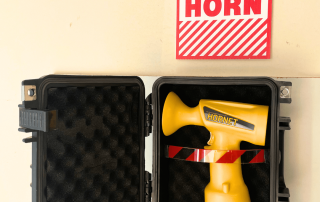
Handheld air horns like the Hornet rechargeable electric air horn are a common and effective tool in construction safety for signaling, alerting, and communicating across noisy job sites. Here are examples of how they’re typically used: Emergency Alerts Evacuations: If there is an emergency, such as a fire, hazardous material spill, or structural concern, air
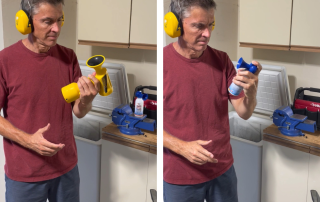
Considerations When Choosing a Handheld Air Horn: Volume: The loudness of an air horn is typically measured in decibels (dB). Higher dB ratings indicate louder horns, which are often necessary for safety or signaling in noisy environments. Compressed gas air horns start off loud but lose sound volume as the can depletes, when they are
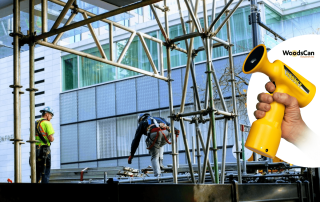
Air horns are used on construction sites primarily in Emergency Stations as a safety tool to communicate and signal various types of alerts such as fire, evacuation, sever weather events, and personal injury. Here are the main ways air horns are utilized: 1. Emergency Alerts Evacuation Signals: Air horns are often used to signal the

Air horns are commonly used on construction sites, including in emergency aid stations, as a signaling device. They serve as an effective way to quickly alert workers to emergencies, such as accidents, fires, or the need for evacuation. The loud, distinctive sound of an air horn can be heard over the noise of construction equipment,